Seven Conditions to Keep AI's 5-Why from Going Off the Rails
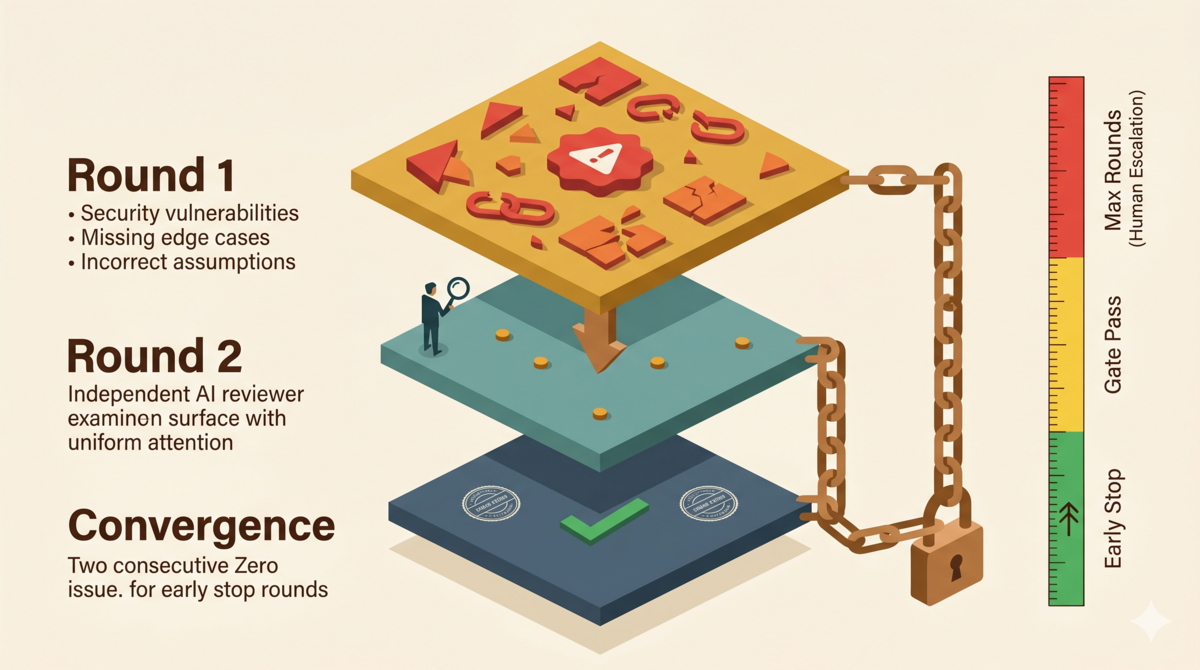
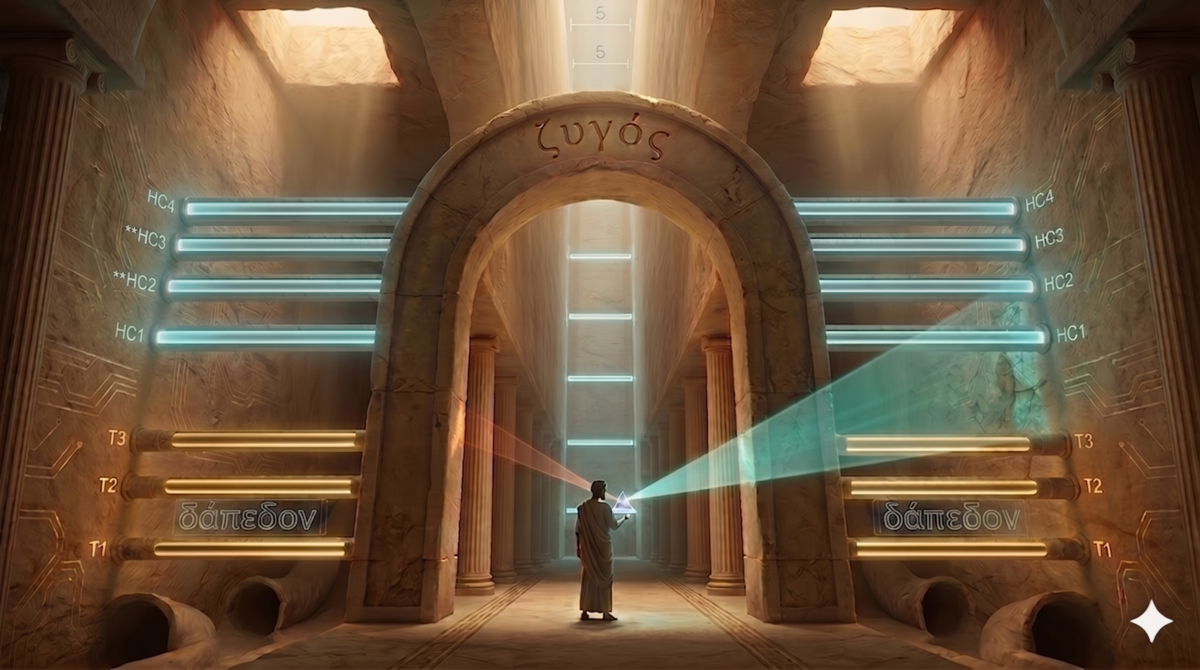
TL;DR: The inquiry protocol sets seven conditions to keep AI’s 5-Why on track: T1–T3 are floor conditions (can’t stop until all three are met), HC1–HC4 are guardrails (prevent the process from spiraling). T2’s preventive counterfactual check is the most important design — preventive framing forces the inquiry to go deep, while counterfactual questions deliberately construct negation scenarios to counter confirmation bias. ← Previous post The last post diagnosed three problems when AI runs 5-Why: stopping too early (depth insufficient), single-path tracking (breadth insufficient), and confirmation bias (reasoning bias). These three are independent but tend to show up together: a shallow conclusion becomes an anchor, which simultaneously compresses the exploration space and biases evidence selection. This post designs the inquiry protocol: encoding the tacit judgment of “when to stop, when to keep going” that human experts use, into explicit rules that bring AI’s reasoning quality up to the standard 5-Why actually requires. ...