Today’s Challenge
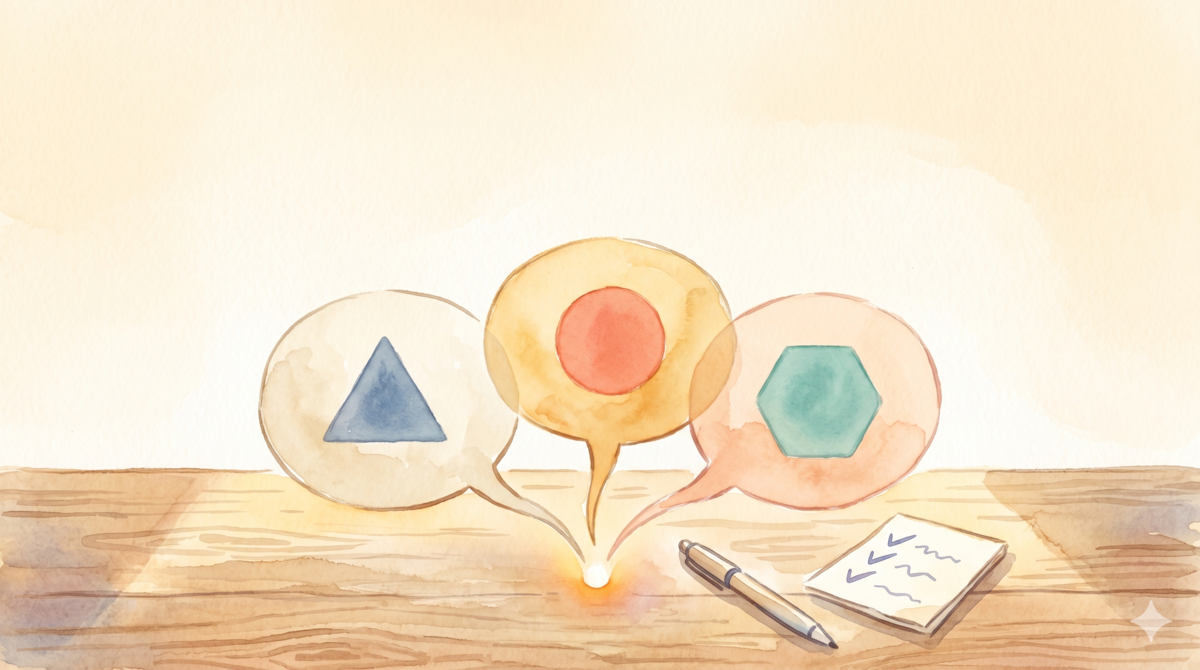
Open whatever AI you normally use: ChatGPT, Claude, DeepSeek, anything. Pick an open-ended question. Ask it 3 times.
The question is up to you. Some examples:
- “How do I build a reading habit?”
- “What are some Python tips for a complete beginner?”
- “How can I run better meetings?”
You can rephrase it each time or paste the exact same wording. The key rule: start a fresh chat each time. Don’t follow up inside the same chat. Three new chats.
Save all three answers. Copy-paste into a note. That’s it.
What to Look For
Put the three responses side by side:
- Is the structure the same? (bullet points? how many? headings?)
- Are the examples the same? (same advice, different examples, or totally different advice?)
- Which answer do you like best? Why?
Most people’s first reaction: “Wait, I asked the same thing three times. Why are the answers so different?”
Exactly.
Why This Matters
The last post covered the core idea: LLMs generate, they don’t retrieve. The model itself doesn’t look up an answer in a database; it produces a new response from scratch each time. Even when a tool searches the web or a database first, the answer is still generated fresh.
This exercise lets you verify it yourself. Not by memorizing a fact, but by feeling it. Three answers in front of you. You don’t need anyone to explain; you can see for yourself that every response is generated fresh.
That also means quality fluctuates. Some answers will be better than others. That’s normal. It doesn’t mean the AI is broken.
Once you accept this, your expectations get more realistic. And the way you use AI changes too.
Today’s Takeaway
Every AI response is a fresh generation, not a file pulled from storage. Hold onto that one idea, and you already understand AI better than most people.
📖 Series Navigation